The Role of Public Art in Urban Renewal
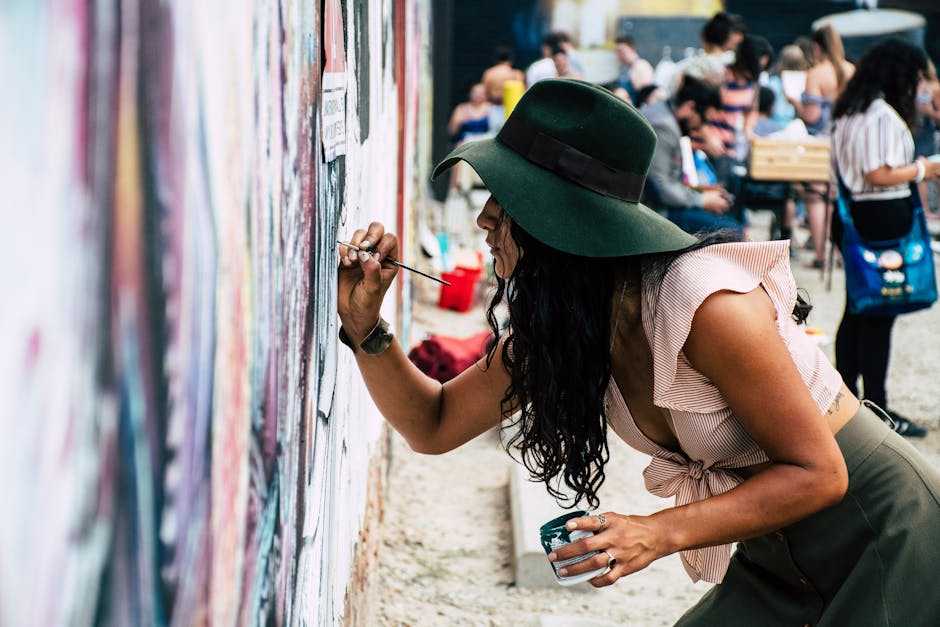
Murals are more than just vibrant additions to city walls they are catalysts for connection and renewal. Public art has become a powerful tool for reshaping perceptions of place, particularly in historic neighborhoods where renewal is both physical and cultural.
More than Aesthetics
While murals beautify urban landscapes, their value extends far beyond visuals:
Cultural preservation: Art celebrates neighborhood heritage, turning forgotten spaces into landmarks.
Emotional connection: Local residents often feel a renewed sense of ownership and connection to their surroundings.
Positive disruption: Murals disrupt blight with beauty, inspiring curiosity and engagement.
Identity and Belonging
Public art fosters a deeper sense of local identity. When murals reflect the stories of a neighborhood, they strengthen the bonds among its residents.
Shared narrative: Community driven art tells stories that are inclusive and representative.
Pride in place: Colorful, thoughtful works of art remind residents of their neighborhood’s worth.
Generational bridges: Artwork often connects older stories with newer voices, promoting dialogue across age groups.
Visual Storytelling & Urban Place Making
Public murals serve as visual anchors, helping to reshape how people experience and move through urban space.
Wayfinding landmarks: Murals help define an area’s identity by serving as recognizable meeting points.
Activation of space: Once overlooked corners become destinations for visitors and locals alike.
Narrative integration: Successful mural projects weave history, culture, and aspiration into the city’s physical environment.
When used with intention, public art doesn’t just add color to a space it redefines what that space means to the people who live, work, and visit there.
Lansing’s Approach: Murals with Meaning
Lansing’s mural initiatives are more than a visual upgrade they’re part of a broader strategy revitalizing neighborhoods with rich but often overlooked histories. These efforts shine a spotlight on community memory, restoration, and inclusion, using public art as a tool for connection and economic uplift.
Historic Restoration Through Public Art
Lansing’s mural projects are deeply integrated with the city’s ongoing historic renovation efforts. These aren’t just aesthetic upgrades they’re carefully planned restorations of shared spaces that have cultural significance.
Murals are aligned with building restoration and preservation projects
Priority is given to sites with historic or cultural importance
Layers of local history are unearthed and celebrated through artistry
Elevating Underrepresented Stories
A unique aspect of Lansing’s mural program is its focus on narratives that have historically been left out. The murals aim to represent the full spectrum of the city’s communities past and present.
Incorporation of African American, Indigenous, and immigrant histories
Visual tributes to labor movements, civil rights legacies, and neighborhood heroes
Collaborative efforts with cultural organizations and local historians
Artists at the Helm
At the center of these projects are Lansing based artists who bring local insights and authenticity to their work. Many of them grew up in the same neighborhoods they’re painting.
Local illustrators, muralists, and community artists lead design and execution
Artist selection prioritizes community ties and storytelling ability
Mentorship and artist development programs are built into the process
Tangible Community Impact
These murals aren’t just sparking conversations they’re shifting how neighborhoods are seen and experienced, both by locals and visitors.
Increase in pedestrian traffic and neighborhood exploration
Boost in revenue for nearby cafes, shops, and markets
Perceived safety and pride have risen, reducing urban blight perception
Combined, these efforts represent a model for how public art can be woven into the fabric of historic preservation and civic identity.
Case Study: One Historic Wall, One Big Shift
Lansing’s mural movement isn’t just about beautifying buildings it’s about breathing new life into neighborhoods. A standout example is the transformation of a historic building through a single, powerful mural that sparked both conversation and change.
The Project at a Glance
This mural, now a local landmark, was the result of months of planning, collaboration, and community input. The building it adorns had long stood as a forgotten relic in one of Lansing’s oldest corridors. Today, it is a celebrated mural site, drawing visitors and reconnecting residents to their roots.
Learn more about the mural featured in this story here.
Artist Vision Meets Local Heritage
The lead artist approached this work with a commitment to storytelling. The mural:
Honors notable figures and unsung heroes from Lansing’s history
Features visual elements drawn from oral histories and archival research
Reflects themes of resilience, migration, and cultural pride
Key to the success of the project was regular engagement with local historians, neighborhood groups, and youth.
Community Collaboration in Action
What set this mural apart was the transparent, grassroots process:
Community Design Sessions: Residents voted on mural concepts at local events
Hands On Participation: Youth and volunteers helped with priming and painting
Support Structure: Funded by city grants, local business sponsors, and in kind donations
This wasn’t public art done to a community it was created with them.
Before and After: The Ripple Effect
Since installation, the mural has had a tangible impact:
Economic Boost: Nearby small businesses reported increased foot traffic
Social Engagement: More community clean up days and block events
Cultural Value: Stronger neighborhood identity and pride
Locals describe the wall not just as a mural, but as a mirror reflecting where they’ve come from and where they’re going.
This single artistic intervention became a turning point, showing how culture, commerce, and community pride can converge on a once forgotten stretch of brick and paint.
Collaboration Between Artists, Residents, and City Planners
Public murals don’t simply appear they are the result of thoughtful dialogue, practical planning, and a shared vision. Lansing’s mural projects showcase what’s possible when creative expression is matched with community input and cross sector cooperation.
Balancing History with Contemporary Voices
Finding the right tone for a mural requires careful consideration. Artists are tasked with honoring the past while still reflecting the energy, diversity, and needs of today’s communities.
Projects often begin with local history tours and research sessions
Community members contribute stories, historical insights, and perspectives
Final designs strive to respect cultural heritage while expressing current identities
This intentional balance ensures murals feel authentic to residents, while also attracting new visitors interested in the neighborhood’s deeper story.
Engaging the Next Generation
Youth involvement has become a critical component of Lansing’s public art strategy. Murals offer young people a chance to connect with their community, learn about its history, and contribute creatively to its future.
Local schools collaborate with mural teams through art workshops and design input
Students participate in painting days, supervised by professional artists
These projects foster early civic pride and mentorship opportunities
Early engagement doesn’t just teach artistic skills it creates long term community stewards.
Funding and Community Approval
Behind each mural is a network of financial and logistical support. Lansing’s model emphasizes accessibility and transparency at every stage of the project.
Funding sources include local small business sponsorships, city arts grants, and nonprofit partners
Community meetings and surveys are held to shape design direction and placement
Final mural concepts undergo reviews with residents, city officials, and historical advisors
By making the process inclusive, Lansing ensures murals are embraced as shared achievements not imposed decorations.
What Other Cities Can Learn from Lansing
The success of Lansing’s mural initiative didn’t happen by accident it’s measurable, repeatable, and rooted in community first thinking. Metrics that matter here aren’t just about social shares or press buzz. Instead, think increases in foot traffic, upticks in nearby small business revenue, and the number of residents involved in planning and paintwork. When local pride grows and neighborhoods start seeing themselves reflected on their walls, that’s success.
But revitalization isn’t a one time splash of color. Sustainability matters. A successful program plans for upkeep weatherproofing, re touching, and rotating themes as communities evolve. Ongoing engagement is critical too: school partnerships, walking tours, and fresh project cycles turn public art into a living conversation rather than a static display.
Local governments can help by backing these efforts with structure. That means clear funding channels, artist stipends, and policies that ensure community input. It’s not just about greenlighting the paint it’s about folding public art into long term urban planning, infrastructure, and education.
Lansing didn’t just make walls prettier. They made neighborhoods feel worth investing in by everyone. Explore more on this historic mural project featured in the story.
 Keshian Bakerstell is a talented article writer and a unique voice at Your Local Insight Journal. Her writing brings a fresh perspective to the platform, capturing the essence of the Lansing, MI community with insight and creativity.