If you are raising a family in Seattle right now, you know the feeling. Your favorite neighborhoods are changing, and finding a home with a decent yard and a dedicated parking spot feels like an impossible task. You love the city, but your current space is shrinking as your family grows.
Many buyers feel squeezed out of their preferred zip codes due to a massive influx of dense, multi-family housing. The options often seem bleak: settle for a narrow townhouse with shared walls, or pack up and move to the deep suburbs.
Instead of accepting those compromises, space-seeking families are changing their approach. They are actively prioritizing older, single-family homes that offer real yards and authentic architectural charm.
Why Historic Craftsmans and Bungalows Are Winning Out
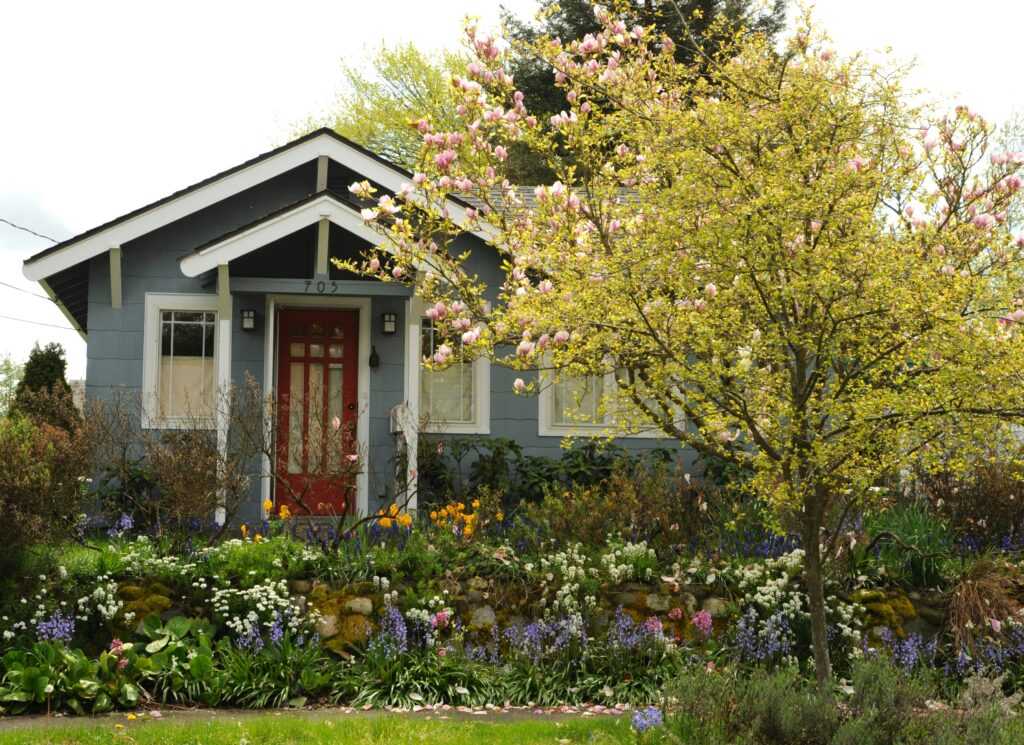
Families are actively seeking an alternative to the concrete and congestion of new developments. Older Ballard Seattle homes offer lifestyle benefits that new builds simply cannot replicate. They sit on quieter, tree-lined blocks and provide genuine privacy between neighbors.
Most importantly, older properties feature significantly larger lot sizes. A traditional backyard gives children a safe place to play and gives parents a private area to entertain or relax.
Historic Craftsmans, bungalows with real front porches, walkable streets, and one of Seattle’s strongest dining and cultural strips all coexist in a way that’s taken decades to build. That layered residential and community character is exactly what draws buyers to the Ballard neighborhood in Seattle and what makes it the kind of place people settle into rather than move through.
These established neighborhoods provide a deep sense of nostalgia and community. For many buyers, these pockets are the places where Seattle still feels like Seattle. They provide a quiet sanctuary away from the rapid pace of urban development.
The Financial Edge of Buying Classic Seattle Architecture
Buying an older home is a smart financial investment, not just an aesthetic preference. Because developers are rarely building single-family homes in the city anymore, the existing inventory is becoming a scarce commodity. In real estate, scarcity consistently drives up long-term value.
When you buy a single-family home, you own the land it sits on. Townhome owners only own a fraction of the dirt beneath their building, which limits their property’s appreciation potential.
This enduring popularity is backed by market data. Real estate trends show that Craftsman homes are in exceptionally high demand, with owners who have held their properties for the past decade seeing a nearly 50% increase in sale price.
Smart buyers use hyper-local market data to their advantage. By tracking median home price drops in specific micro-neighborhoods, you can gain serious negotiation leverage.
This strategy is especially effective when making offers on older homes that need cosmetic updates. You can purchase the property at a slight discount, knowing the underlying land and historic architectural style hold permanent value.
The “Renovate, Don’t Relocate” Strategy
You might want the lot size and charm of an older home, but the thought of updating aging layouts can be intimidating. Taking on a renovation project feels like a massive leap for a busy family. The logistics, costs, and timeline can easily cause hesitation.
Renovating bridges the gap between old-world charm and modern functionality. It allows you to keep the coveted exterior space and neighborhood feel while completely modernizing the interior amenities.
You can remove walls to open up a choppy floor plan, add a main-floor powder room, or build the large, open-concept kitchen your family desperately needs. You get to dictate the exact flow of your home.
This approach is gaining serious traction across the local market. Current research indicates that home improvement spending remains robust as homeowners choose to invest in renovating existing properties rather than buying new.
Choosing to remodel is also a financially secure path.
Mid-range kitchen renovations in the Seattle market consistently return 60–80% of their cost at resale.
This solid return on investment ensures that your remodeling dollars build tangible equity while improving your daily quality of life.
What to Look Out For When Buying an Older Home
Purchasing a historic property requires a realistic mindset and thorough due diligence. You are buying a piece of history, which means you will encounter a few quirks along the way.
Roughly half of Seattle’s homes were built four or more decades ago, with the median home age sitting at 37 years old.
Because of this aging inventory, you need to know exactly what you are getting into before you sign the closing papers. Always hire a specialized inspector to evaluate the property. You must check for specific red flags that could derail a future renovation budget.
| Inspection Area | Common Issues in Older Seattle Homes | Why It Matters for Renovations |
|---|---|---|
| Plumbing Systems | Galvanized steel pipes, aging sewer lines. | Can cause low water pressure or leaks; expensive to reroute during a kitchen remodel. |
| Electrical Panels | Knob-and-tube wiring, insufficient amperage. | Modern appliances require updated panels to meet current safety codes. |
| Foundation & Structure | Uneven settling, aging retaining walls. | Structural repairs must be addressed before any cosmetic interior updates begin. |
Navigating these hurdles is entirely manageable when you have the right team. Working with real estate experts who offer both deep neighborhood knowledge and renovation consulting is essential.
They will help you identify which homes have good bones and which are simple money pits. This expert guidance turns the potentially overwhelming process of buying and updating a historic home into a clear, stress-free journey.
Conclusion
You do not have to compromise between living in a cramped new build or leaving the city entirely. Expanding families have a viable path to staying in the Seattle neighborhoods they love.
Older homes provide unmatched charm, larger lots, and solid investment potential for those willing to update them. By renovating an older property, you get the exact interior layout you want without sacrificing the backyard or the reliable parking spot.
 Erickann Rosadoppi, founder of Your Local Insight Journal, created the platform to keep Lansing, MI residents informed and connected. Her focus on local news, business spotlights, and economic growth has made the site a vital community resource.