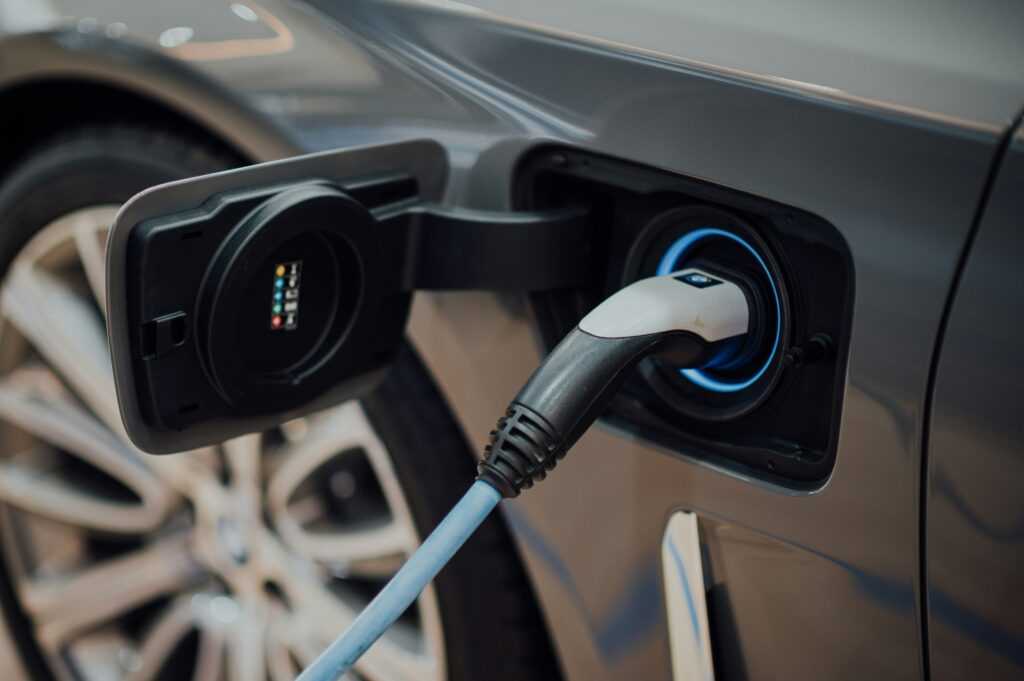
Every week, a new headline pops up about an electric vehicle catching fire. These sensationalized stories easily grab our attention, making many drivers second-guess the safety of switching to an EV. When a car bursts into flames on the side of the road, it is natural to assume the high-tech battery pack is a ticking time bomb.
However, looking at the actual statistics tells a vastly different story about electric vehicle safety. Data from the NTSB showing there are approximately 25 fires for every 100,000 EVs sold, compared to 1,530 for gas-powered vehicles proves that spontaneous battery combustion is extremely rare. Gas-powered vehicles are far more likely to catch fire on a daily basis.
So, what is actually happening when an electric vehicle experiences a catastrophic failure? When these rare fires or sudden power losses do occur, the root cause is almost never the lithium-ion cells themselves. Instead, the real culprits are usually overlooked peripheral components that manufacturers failed to engineer properly. Defective wiring, poor waterproofing, and weak protective casings are the true dangers hiding underneath the floorboards.
The Real Cause Behind Catastrophic EV Failures
When an electric vehicle catches fire or suddenly loses propulsion on the highway, automakers are incredibly quick to deflect blame. They often point fingers at external factors like road debris, severe weather, driver error, or the inherent chemistry of the battery cells. This deflection shifts responsibility away from the company’s own engineering and design choices.
Yet, a closer look at industry trends points to a massive, hidden problem in vehicle manufacturing. Between 2020 and 2025, over 1 million vehicles were recalled for high-voltage issues. A significant portion of these widespread recalls stemmed from peripheral components and software systems, rather than the core battery chemistry. This highlights a pattern of manufacturers rushing vehicles to market with underdeveloped safety systems.
When these technical failures happen at highway speeds, the outcome is often a violent collision or a fire that traditional investigators aren’t always equipped to analyze. Working with an electric vehicle accident attorney is a necessary step to ensure that the automaker doesn’t simply blame the road conditions or the driver’s habits for the catastrophe. Since physical evidence is often lost in a high-temperature battery fire, experienced professionals prioritize the retrieval of the vehicle’s Event Data Recorder and diagnostic logs to pinpoint exactly when the electrical system malfunctioned. This level of technical investigation is what allows a family to prove that a factory defect was the actual cause, making it possible to hold the manufacturer accountable for the resulting injuries and long-term damages.
Three Overlooked EV Defects
The components surrounding the battery are just as vital as the battery itself. When automakers use cheap materials or poor designs for these peripheral parts, hidden vulnerabilities compromise the entire vehicle’s safety system.
To better understand these risks, we can categorize the most common manufacturer defects into three main areas. The table below breaks down these specific mechanical and electrical risks, their warning signs, and the ultimate consequences for the driver.
| Defect Type | Common Warning Signs | Ultimate Consequence for the Driver |
|---|---|---|
| Wiring Harness Vulnerabilities | Dashboard warning lights, intermittent power drops, burning smells | Sudden loss of propulsion on the highway, electrical sparks, fire |
| Failed Waterproofing | Moisture inside the cabin, erratic software behavior after rain | Corroded terminals, delayed thermal runaway, fire days after exposure |
| Protective Casing Failures | Visible dents on the undercarriage, fluid leaks after a bump | Punctured battery cells, immediate thermal runaway, catastrophic fire |
Wiring Harness Vulnerabilities
An electric vehicle relies on a massive network of thick, high-voltage cables to move energy from the battery to the motors. When manufacturers install defective high-voltage wiring, use cheap connectors, or fail to resolve software-hardware miscommunications, they disrupt the vehicle’s electrical flow. This creates severe bottlenecks and electrical arcs.
These wiring glitches frequently leave drivers stranded in dangerous situations. As industry experts note: “Across several brands, one of the most worrying patterns is EVs that can suddenly lose propulsion because of inverter failures, charging-control modules, or high-voltage wiring issues.” A car suddenly dying at highway speeds poses a massive risk for rear-end collisions.
Failed Waterproofing and Saltwater Intrusion
Electric vehicles live outdoors, meaning they rely heavily on complex waterproofing seals to protect the high-voltage system from daily environmental exposure. Puddles, heavy rain, and automated car washes should never pose a threat to an EV. However, when an automaker uses low-quality gaskets or poor sealing methods, water easily finds its way into sensitive electrical compartments.
The danger of moisture cannot be overstated, especially in coastal areas or regions that salt their roads in the winter. This reality is reinforced by NHTSA and Department of Energy guidance stating that EV battery fires can be caused by water intrusion (especially saltwater) or physical penetration of the battery system. Saltwater is highly conductive and rapidly accelerates electrical short circuits.
Protective Casing Failures in a Crash
The battery pack in a modern EV spans the entire bottom of the car. To keep these volatile lithium-ion cells safe, manufacturers enclose them in a heavy-duty protective casing or shielding. This battery box is the first line of defense designed to prevent road debris or collision impacts from penetrating the cells.
If this casing is too thin or poorly reinforced, even a minor undercarriage strike can spell disaster. The National Fire Protection Association (NFPA) explains that because EV batteries are sealed in metal containers, firefighters use water to cool the metal casing to eventually stop thermal runaway. This emphasizes the casing’s crucial role in both fire mitigation and overall vehicle crashworthiness.
The Challenges of EV Fire Investigations
Determining the root cause of an electric vehicle fire is a notoriously difficult process. When lithium-ion cells enter thermal runaway, they burn at exceptionally high temperatures, often exceeding 2,700 degrees Fahrenheit. This extreme heat usually melts or completely destroys the immediate physical evidence, leaving behind little more than a charred frame.
Because the damage is so severe, standard accident investigators often struggle to pinpoint where the fire actually started. This is where specialized forensic experts become absolutely necessary. These engineers work alongside legal teams to meticulously reconstruct the event, using advanced techniques to trace the fire’s origin point back to a failed seal, a shorted wiring harness, or a breached casing.
They analyze data logs pulled from the vehicle’s surviving computers, review factory schematics, and examine the burn patterns on the remaining metal. Despite severe vehicle damage, trained investigators possess the methodology to uncover the truth. They can clearly separate a spontaneous battery failure from a manufacturing defect, allowing them to build a rock-solid case against the automaker.
Holding Automakers Accountable for Hidden Defects
When an automaker’s negligence causes an electric vehicle to fail, the consequences for the driver can be devastating. Victims of EV accidents have the clear right to pursue liability when a peripheral component defect causes physical injury, severe property damage, or wrongful death. You do not have to accept the manufacturer’s initial excuse that the accident was an unavoidable battery anomaly.
Fighting foreign manufacturers and large auto companies is not a simple undertaking. It requires a dedicated legal team willing to dig deep into engineering records, analyze historical recall data, and subpoena internal communications. Auto companies have vast resources to defend themselves, but comprehensive legal investigations frequently uncover internal documents proving the company knew about a wiring or casing defect long before the accident occurred.
Taking legal action does more than just address a single accident. Pursuing a claim secures life-changing financial security for the victim, helping to cover medical bills, lost wages, and property replacement. Furthermore, holding these massive corporations financially accountable is often the only way to force necessary recalls that ultimately keep American consumers safe on the road.
Conclusion
The narrative surrounding electric vehicle safety needs a major shift in perspective. The true danger in a catastrophic EV failure usually lies in the vehicle’s wiring, waterproofing, or protective casing, rather than the lithium-ion battery cells themselves. When automakers cut corners on these peripheral components, they leave drivers exposed to sudden power losses and severe fire risks.
While EV incidents are statistically rare compared to gas-powered car fires, the consequences of poor manufacturer engineering demand strict accountability. No driver should suffer because a company used a faulty wire harness or an inadequate battery shield. Uncovering these specific defects takes time, expertise, and a willingness to challenge the manufacturer’s default narrative.
 Erickann Rosadoppi, founder of Your Local Insight Journal, created the platform to keep Lansing, MI residents informed and connected. Her focus on local news, business spotlights, and economic growth has made the site a vital community resource.