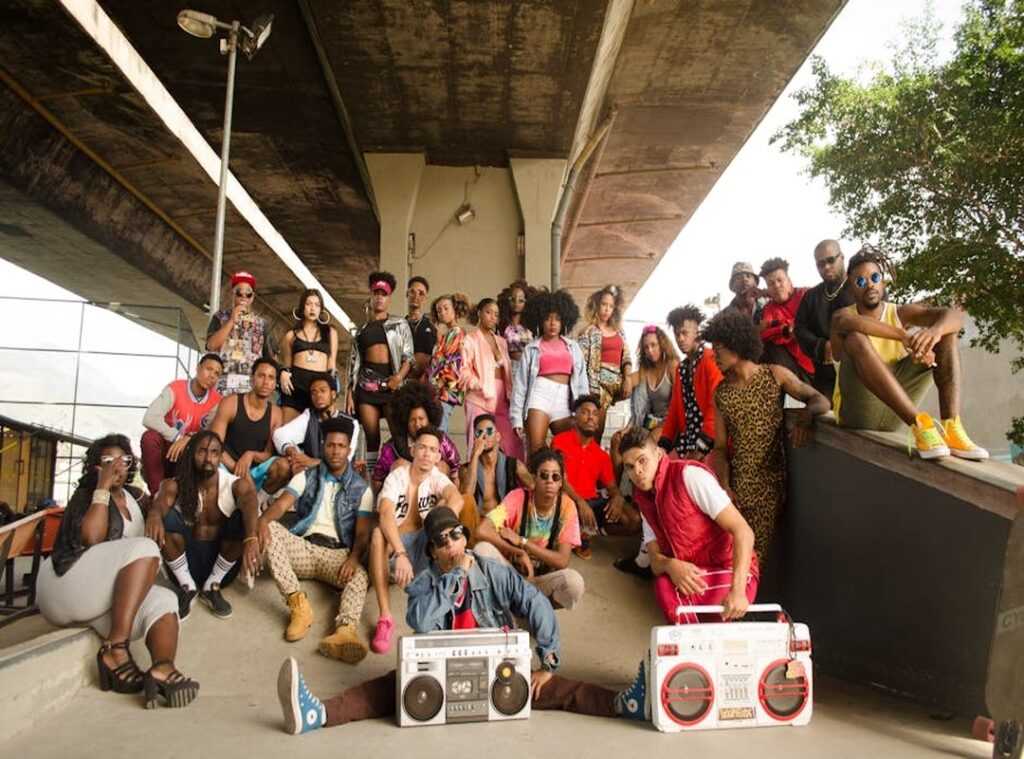
You’ve seen it happen. A song you’ve never heard blows up overnight. A show nobody watched becomes watercooler talk in a week.
It feels random. Like luck. But it’s not.
I’ve watched this play out for years (hundreds) of trends, memes, albums, shows (and) patterns jump out every time.
Why does some culture stick while most disappears?
What makes something spread like wildfire instead of fizzling by Tuesday?
That’s what this is about. Not theory. Not guesswork.
Real observation. Real repetition.
You want the answer to What Makes Culture Popular Elmagcult. So do I. And after tracking what actually works (not) what sounds smart (I) can tell you: there are real ingredients.
Not magic. Not mystery. Just cause and effect.
This article names them. Clear. Direct.
No fluff. You’ll walk away knowing why things go viral (and) how to spot the next one before it hits.
Why You Pass That Meme to Your Friend
I see myself in it. That’s why it spreads.
Relatability isn’t cute. It’s the engine. When a song nails that quiet panic before a text reply?
You blast it. When a show shows your weird family dinner chaos? You binge it.
That’s not coincidence. It’s recognition.
You don’t share things because they’re “good.” You share them because someone gets it (and) you want others to feel seen too.
Joy. Grief. That weird shame about forgetting your own password.
These aren’t niche. They’re human. And they travel fast.
A meme about burnt toast at 7 a.m.? Shared in three group chats before breakfast. Why?
Because six people just lived that exact second. No explanation needed.
This is what makes culture stick. Not polish. Not budget.
Just yes. That’s me.
That instant click (that’s) community forming in real time. You’re not just watching. You’re nodding with strangers.
What Makes Culture Popular Elmagcult starts here: with the relief of being understood.
I write about this kind of raw connection at Elmagcult. (It’s where I go when I need to remember how thin the line is between “me” and “everyone else.”)
Fresh Wins Attention
I saw a kid do a dance move no one had seen before. People stopped scrolling. They watched.
They shared.
Novelty grabs you by the throat.
Relatability keeps you around (but) newness makes you look up.
A genre-bending song drops. A show flips the script on storytelling. You don’t just watch it.
You tell your friend right now.
That’s what novelty does. It sparks curiosity because it’s unfamiliar (and) humans are wired to notice what stands out.
But here’s the catch: being different isn’t enough. If no one gets it, no one sticks around. It still needs rhythm.
Or heart. Or something you recognize (even) if it’s wrapped in something wild.
I’ve watched weird ideas die fast because they ignored that.
And I’ve watched simple ideas blow up because they added just enough surprise.
What Makes Culture Popular Elmagcult isn’t just about being first.
It’s about being felt, even when you’re new.
You ever see something so strange it stuck in your head all day? Yeah. That’s the hook.
But only if it lands.
Why Do We All Suddenly Like the Same Thing?
You ever notice how something goes from zero to everywhere overnight? I have. And it’s never about quality alone.
People share what makes them feel seen.
What makes them say I was there first or I get this.
That viral dance challenge? It spread because clicking share felt easier than blinking. Same with that movie ending everyone dissected on Twitter.
You watched it not just to see what happened. But to have something to talk about tomorrow.
Buzz isn’t magic. It’s math with feelings. When your friend posts it, then their cousin, then three coworkers (you) start thinking Wait, should I know this?
Belonging is a need. Not a bonus. And sharing culture is how we slowly ask: Are you in too?
Ever scroll past a trending hashtag and pause. Not because you care, but because you’re scared to miss the group chat? Yeah.
That’s the engine.
The button is one click. The urge is ancient. We don’t share things because they’re popular.
They become popular because we share them (to) stay connected, to prove we’re paying attention, to belong.
What Makes Culture Popular Elmagcult isn’t about algorithms. It’s about who you sit next to at lunch. Which is why Cultural Trends Today Elmagcult looks at real conversations (not) just metrics.
You think before you share.
But do you know why you want to?
Timing Is Everything
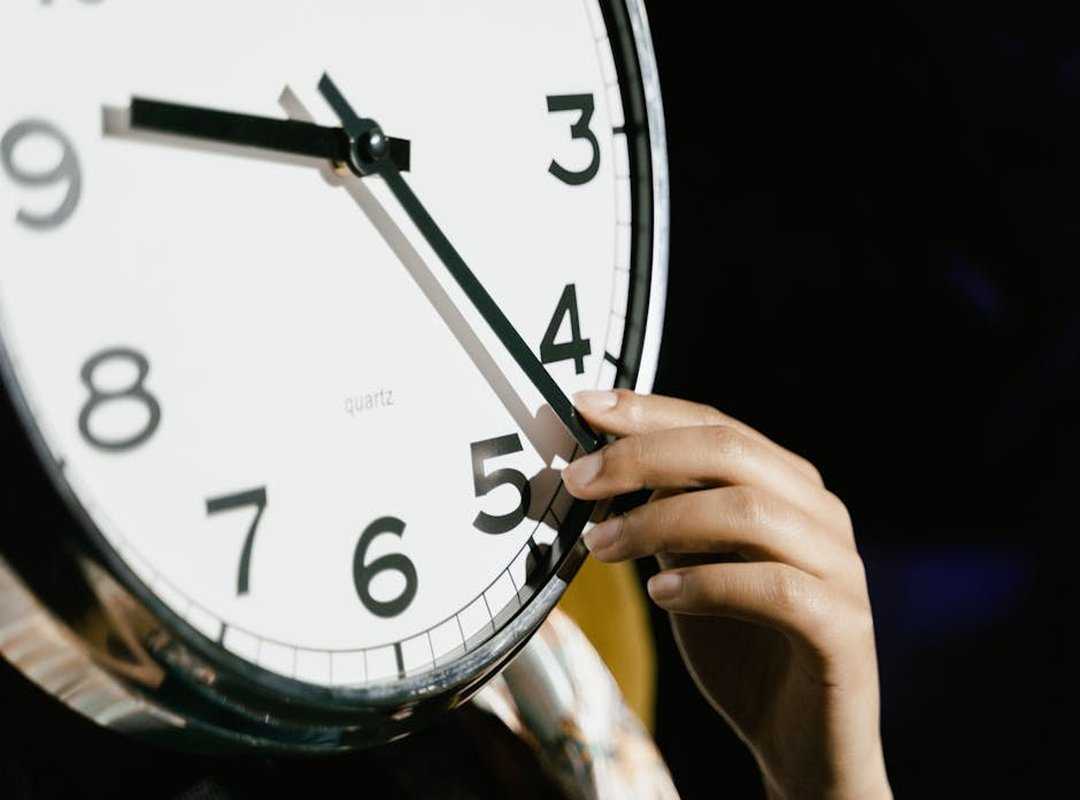
I’ve seen good songs flop and weak ones go viral.
It’s not always about quality.
What Makes Culture Popular Elmagcult comes down to timing as much as talent. A hopeful song lands harder during a recession. A privacy-focused app gains traction after a data scandal.
A sitcom about remote work hits in 2020 (not) 2010.
Culture doesn’t float in space.
It breathes the same air you do.
I remember a documentary about climate anxiety that got ignored for months (then) blew up the week after a major hurricane hit the Gulf Coast. Coincidence? No.
Context.
You ever notice how some shows feel made for right now? That’s not magic. It’s alignment.
A gadget solving a real, urgent problem beats a flashier one released too early.
Ask yourself: what’s happening outside the screen right now?
Even genius fails if it arrives too soon. Even average wins if it arrives just in time. (And yes.
I’ve launched things at the wrong moment. Twice.)
Timing isn’t luck.
It’s listening.
Why Simple Stuff Spreads
I watch people scroll past dense posts and stop for a meme with three words.
Complex ideas rarely go viral. They get debated in small groups. (Which is fine (but) not what we’re talking about here.)
Catchy pop songs? Simple lyrics. TikTok dances?
Two moves, repeated. Blockbuster movies? One clear conflict you grasp by minute five.
You already know this. You’ve seen it.
Streaming services didn’t win by being harder to use. They won because you click once and go.
Free platforms lower the bar even more. No sign-up. No paywall.
Just content (immediate) and plain.
Simplicity isn’t dumbing down. It’s removing noise so the feeling lands.
And when something’s easy to get, more people feel it. That’s how culture sticks.
That’s part of What Makes Culture Popular Elmagcult.
If it takes too long to understand, most people walk away. Not because they’re lazy (they’re) busy. And they’ve got options.
Want proof? Look at what’s still getting shared in your group chats right now. Not the essays.
Not the deep dives.
The What Trends Should Come Back Elmagcult piece shows exactly how this plays out locally (right) here, where we live and scroll.
Why Some Things Just Stick
I used to think cultural hits were random.
Turns out they’re not.
What Makes Culture Popular Elmagcult is simple: relatability, novelty, sharing, timing, and accessibility. That’s it. No magic.
No secret algorithm.
When those five things line up? Millions connect. Instantly.
You’ve felt it. Songs you couldn’t escape, memes that defined a month, shows everyone watched at once.
That wasn’t luck.
It was ingredients working together.
Next time something blows up, you’ll see it coming. You’ll spot the relatability before the trend chart spikes. You’ll notice the timing before the news breaks.
Your old way of watching culture was passive.
This one’s active.
So here’s what to do:
Next time you see something explode in popularity, try to identify which of these ingredients are at play.
Do it now. Not later. Not after you forget.
You already know the pieces.
Now go use them.
 Jessica Lassiter is a committed article writer at Your Local Insight Journal, where she plays a vital role in delivering timely and engaging content to the Lansing, MI community. Her dedication to journalism is evident in her ability to cover a wide range of topics with clarity and depth.